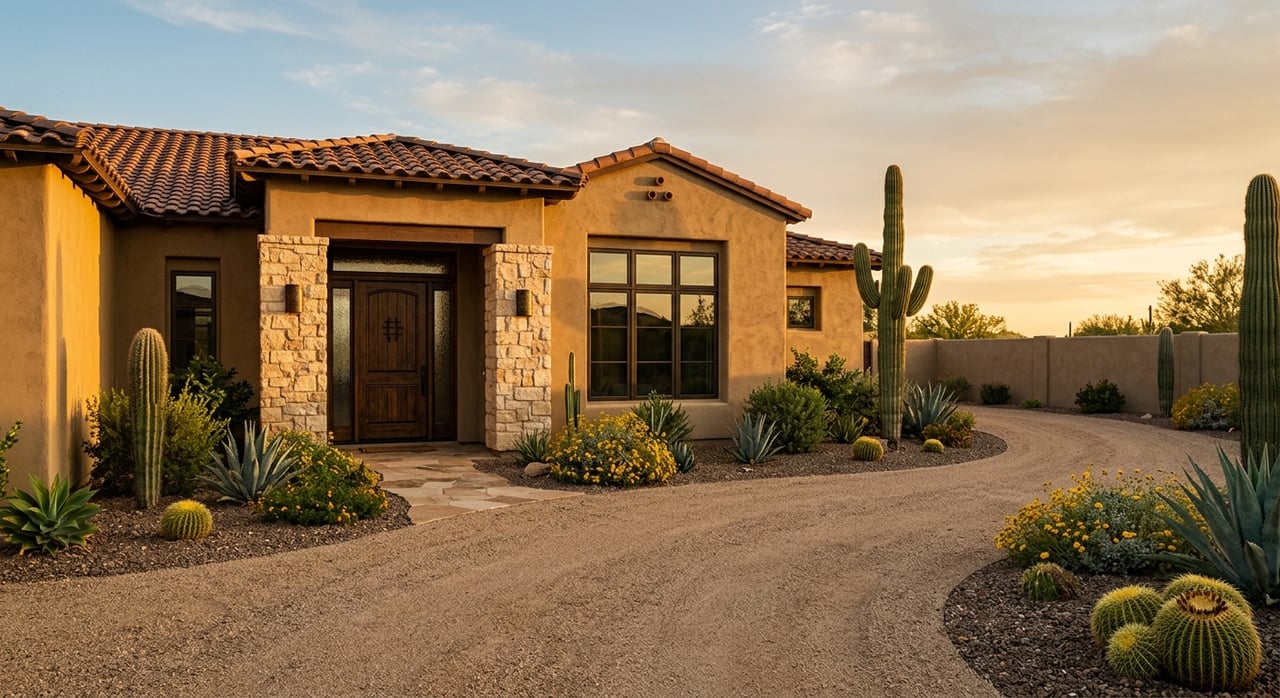
Best Time to Sell a Home in Tucson This Year
July 9, 2026
July 9, 2026
Wondering if you should list now or wait for a better window? In Tucson, timing can help, but it is only one part of a strong selling strategy. If you want to sell with less guesswork and more confidence, understanding the local seasonal pattern can help you choose the right moment and prepare the right way. Let’s dive in.
If you are looking for the strongest seasonal window, late spring stands out in Tucson. Realtor.com’s 2026 best-time-to-sell analysis places Tucson’s local peak as late as May 3, even though the national best week lands earlier in mid-April.
That matters because Tucson does not always move in lockstep with the rest of the country. Local seasonality, buyer behavior, and weather all shape when your home may get the most attention. In Tucson, that sweet spot usually falls between mid-April and early May.
Spring tends to bring a helpful mix of buyer activity and more favorable showing conditions. Tucson’s median days on market have consistently moved lower in spring than in winter, even though the market has slowed compared with a few years ago.
For example, Tucson’s 2023 median days on market dropped from 61 days in January to 47 days in March and April, then 43 days in late spring and summer. In 2024, the market opened at 54 days in January and stayed in the low-to-mid 40s during spring. In 2026, the year started at 67 days in January and improved to 58 days by April.
That pattern suggests buyers are often more active in spring, which can support faster movement for well-prepared listings. Still, the spring advantage is not as dramatic as it once was, so you do not want to rely on the calendar alone.
Tucson’s climate also supports a spring listing strategy. According to National Weather Service normals, average highs are 82.9°F in April, 91.8°F in May, and 101.2°F in June.
That jump matters for real-world selling. Early spring is simply more comfortable for open houses, private tours, weekend errands, and curb appeal. By June and July, when Tucson sees many days at or above 100°F, buyers may still shop, but the showing experience can be less convenient.
Spring brings energy, but it also brings more listings. Tucson’s new-listing counts show a clear seasonal rise in April compared with December.
In April, new listings reached 1,240 in 2023, 1,478 in 2024, and 1,698 in 2025. In December, those counts were lower at 996, 982, and 1,042. So while spring can increase buyer traffic, it also means your home has to compete with more fresh inventory.
This is one reason pricing and presentation matter so much. A busy spring market does not guarantee a premium result if your home enters the market overpriced or underprepared.
As of May 2026, Realtor.com reports 4,899 active listings in Tucson, a median listing price of $370,000, and 56 median days on market. Homes are selling at 99% of asking price on average, which points to a market where buyers still engage, but they are watching value closely.
The May 2026 report adds more context. The median list price was down 3.9% year over year to $374,900, 21.6% of active listings had a price cut, and the typical listing sat for 57 days.
For you as a seller, the message is clear. Tucson looks more balanced, with signs of softening. That means the best outcome often comes from getting the launch right, not just listing during the right month.
If you are deciding between listing now or waiting for spring, the better question may be this: Will your home be market-ready when you list? In the current Tucson market, condition, pricing, and presentation can matter just as much as timing.
Realtor.com’s 2026 seller survey supports that idea. Before listing, 54% of potential sellers researched neighborhood prices, 50% made small fixes or decluttered, and 44% decided what improvements to make.
That lines up with what sellers often experience in Tucson. A polished, well-priced home can perform well outside the peak window, while a poorly positioned listing can struggle even in spring.
If you want to improve your odds of a strong sale, focus on the factors you can control:
For many sellers, these steps have more impact than chasing a perfect week on the calendar.
A citywide average only tells part of the story. Tucson’s market can vary meaningfully by area, and some central neighborhoods are moving much faster than the citywide pace.
Realtor.com’s neighborhood-level data shows some central areas with median days on market as low as 27 to 33 days, compared with the citywide median of 56 days. That is a strong reminder that your ideal list date should be shaped by your specific neighborhood, price point, and competition.
If you are selling in a faster-moving pocket, waiting for a broad seasonal peak may not be necessary. If you are in a more competitive segment with more inventory, a tailored pricing and prep plan becomes even more important.
Not necessarily. Summer is not automatically a bad time to list in Tucson, but it does come with a few practical challenges.
The biggest one is heat. Once temperatures climb into triple digits more often, showings can feel less comfortable, and exterior spaces may not shine the same way they do in April or early May. That does not mean buyers disappear. It just means your listing may need sharper presentation, great photography, and a more intentional showing plan.
If you need to sell in summer, you can still succeed. You just want to be realistic about buyer behavior and make sure your home stands out from the competition.
If your timeline is flexible, late spring is usually the best place to start. In Tucson, that often means preparing in March, finalizing pricing and presentation in early April, and aiming to hit the market between mid-April and early May.
If your timeline is not flexible, do not panic. In a balanced market, your results are more likely to be shaped by local pricing, thoughtful prep, and neighborhood-specific strategy than by chasing a single ideal week.
A strong selling plan often includes:
That kind of plan can help you protect your net proceeds in any season.
If you are thinking about selling in Tucson, the best next step is to look at your home through a local, data-informed lens. A neighborhood-specific strategy can help you decide whether to list now, wait for late spring, or improve your home first. To talk through timing, pricing, and presentation, connect with Blaire Lometti.
As your trusted real estate agent, I provide expert support whether you’re buying or selling. My goal is to make your transaction effortless and deliver the results you deserve, with a focus on your unique needs and goals.