Owning A Second Home In Tubac’s Arts Community
July 2, 2026
July 2, 2026
Dreaming about a place where you can slow down, stroll to galleries, and spend part of the year surrounded by art and desert beauty? A second home in Tubac can offer exactly that. If you are weighing lifestyle, upkeep, and long-term value, this guide will help you think through what owning in Tubac really looks like and which home features tend to fit best. Let’s dive in.
Tubac offers a very different feel from a large suburban market. In Santa Cruz County’s Santa Cruz River Valley, this small community sits about 45 minutes south of Tucson and blends a historic village setting with a strong arts identity. Official tourism sources describe it as a former Spanish Presidio that evolved into a well-known artist colony.
That mix matters if you are buying a second home for lifestyle, not just square footage. Tubac’s village core is known for galleries, shops, restaurants, and historic sites clustered within a walkable area. Instead of planning your day around long drives, you can often park once and explore on foot.
Tubac is also small by design and by scale. Census Reporter lists 1,294 residents across 10.8 square miles, with 725 households and a median owner-occupied housing value of $490,800. That creates the feel of a boutique market rather than a high-volume subdivision environment.
For many buyers, the biggest draw is Tubac’s year-round creative energy. The Tubac Center of the Arts serves as a major cultural anchor, with exhibitions, performing arts, lectures, workshops, classes, youth programming, and a gallery gift shop. Visit Arizona notes that the center includes three galleries and more than 3,500 square feet of exhibit space.
The event calendar adds another layer to daily life. The Tubac Festival of the Arts has been running since 1959 and turns the Historic Village into an open-air gallery. The local chamber also highlights seasonal events like the Fall Art Walk and December’s Luminaria Nights, which bring shopping, music, and a festive village atmosphere.
If you picture a second home as a retreat with built-in things to do, Tubac checks that box. You can spend a morning browsing galleries, enjoy lunch in the village, and still have time to visit a historic site or relax on the patio. It is a lifestyle that feels easy, creative, and low-pressure.
One of Tubac’s practical advantages is how browseable it is. The chamber says many galleries, shops, and restaurants sit within a few blocks of each other, and most shops and galleries are open daily from 10 AM to 5 PM. Free public parking and restrooms are also available throughout the village.
That kind of setup can work especially well for part-time living. If your goal is to arrive, settle in quickly, and enjoy your surroundings without a long to-do list, a walkable village core can make ownership feel simpler. You are not just buying a house. You are buying easier access to the rhythm of the place.
Tubac also offers more than art. Visit Arizona highlights hiking, strolling, biking, birding, spa treatments, wine tastings, art classes, and a 27-hole golf resort. That variety gives you options whether you want a creative escape, a relaxed winter base, or a place to host visiting friends.
Climate is a big part of how a second home gets used, and Tubac’s nearby weather pattern helps explain why many owners may focus on cooler months. NOAA normals for nearby Nogales 6 N show average January highs and lows of 65.3 and 28.3 degrees, February at 67.2 and 30.5, and December at 64.6 and 28.0. Those mild daytime winter temperatures can make the area especially appealing for seasonal stays.
Summer tells a different story. June through August average highs are 96.5, 94.4, and 92.3 degrees, and rainfall peaks in July and August. If you are buying with part-time use in mind, that seasonality may shape both your travel patterns and the type of home you choose.
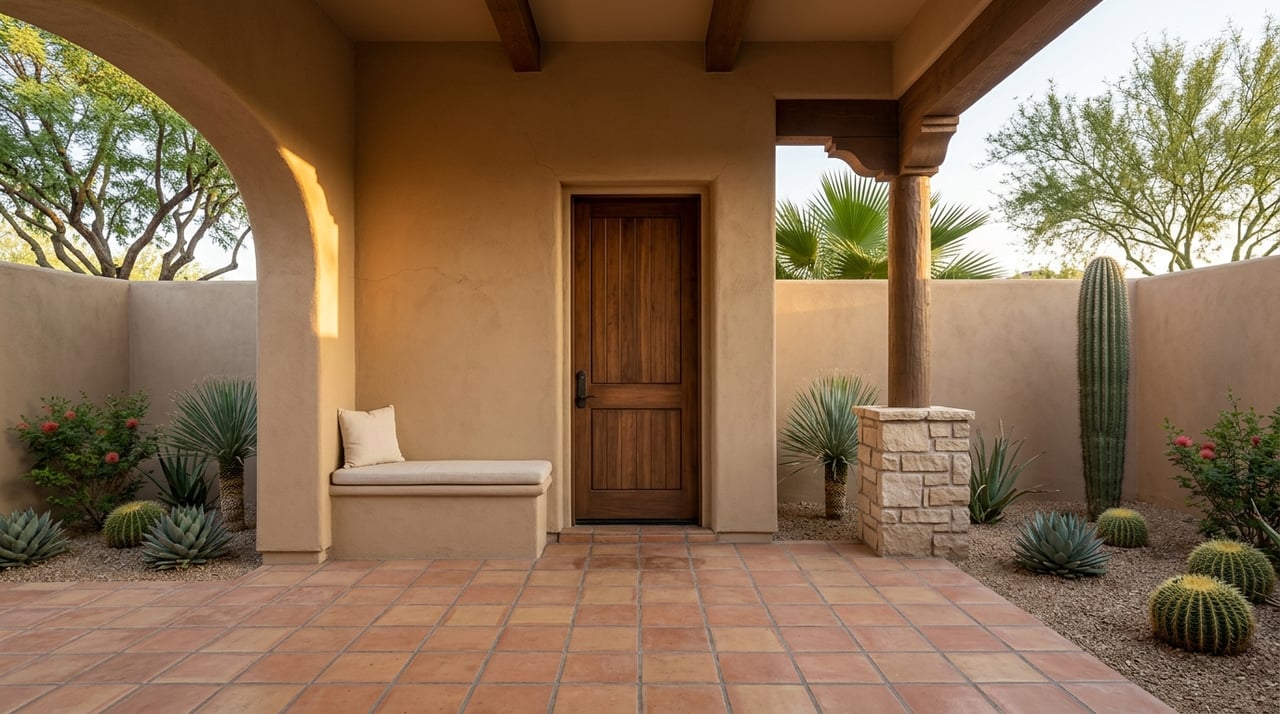
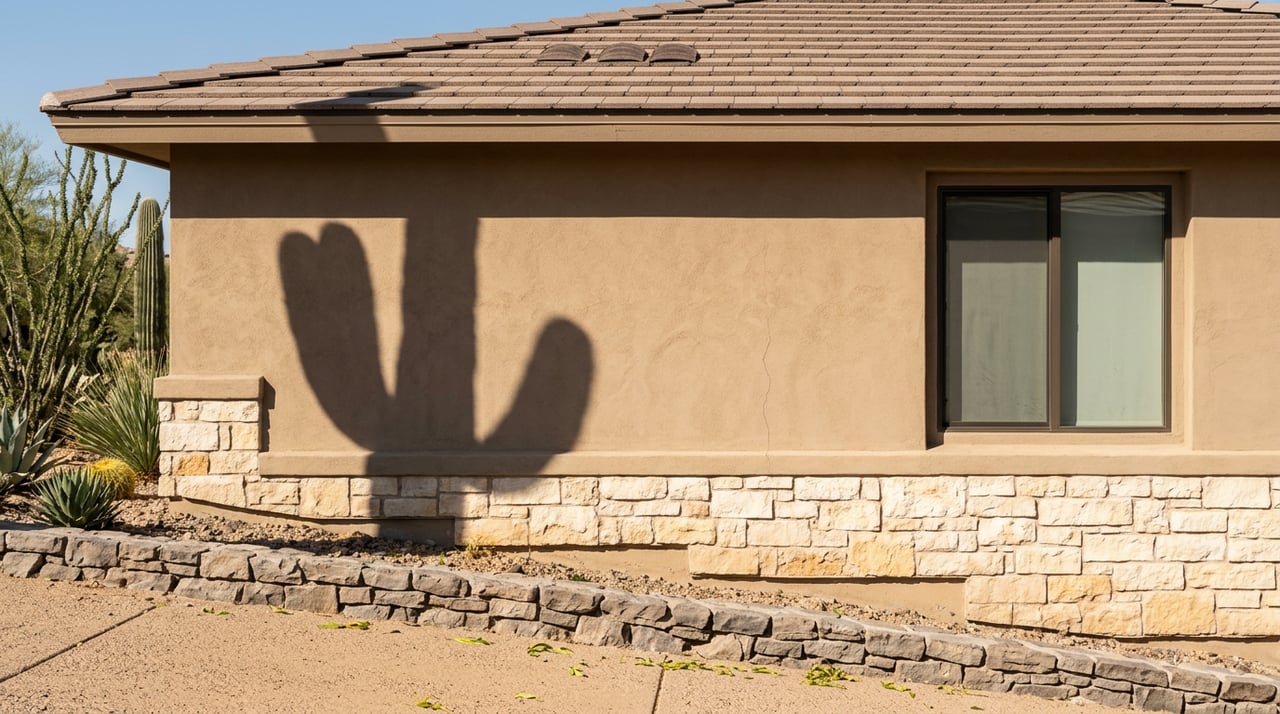
In practical terms, many buyers will want a property that feels comfortable and easy during the milder months while still handling summer heat well. Features like shaded outdoor areas, reliable cooling, and manageable landscaping can make a noticeable difference. In a second-home setting, comfort often comes from smart design as much as location.
Not every house works equally well as a lock-and-leave property. In Tubac, homes that are easy to maintain often make the most sense for part-time use, especially if you want to come and go around festival weekends, winter stays, or longer shoulder-season visits.
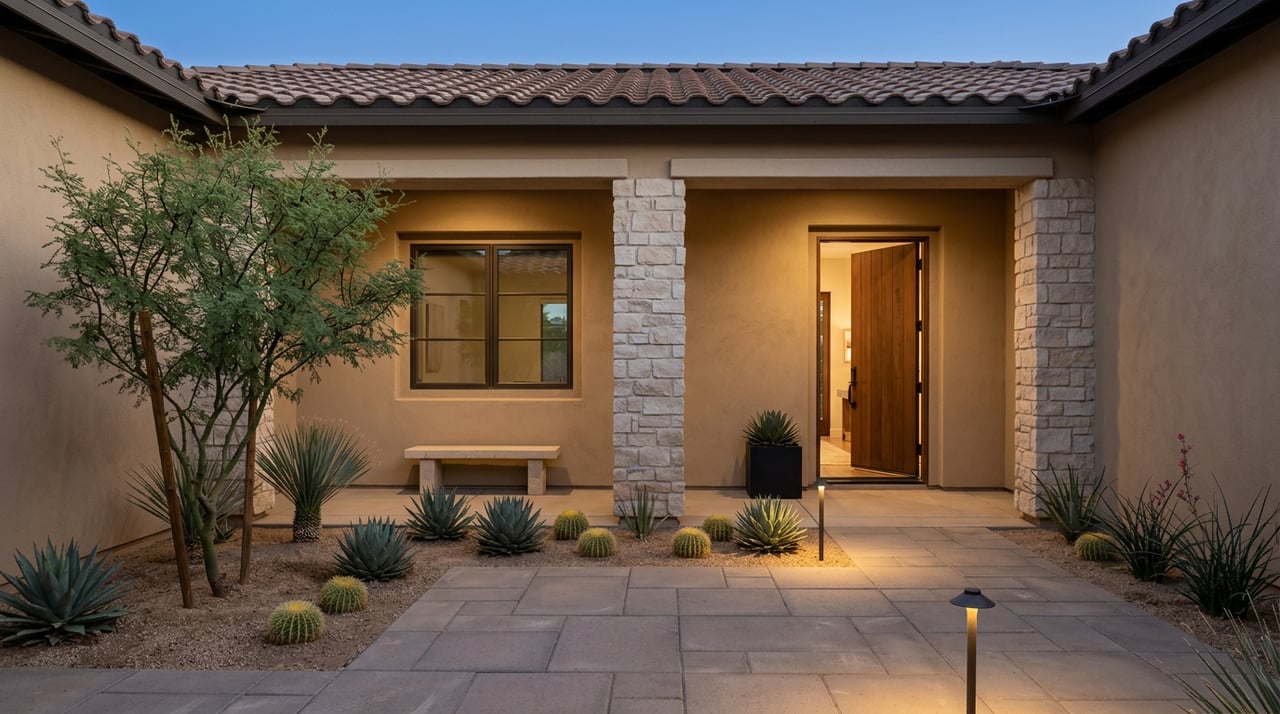
A few features tend to align well with Tubac’s climate and lifestyle:
These are not just nice extras. They can shape how convenient the home feels year after year. A beautiful house that demands constant attention may not serve you as well as one designed for simple, flexible use.
Second homes often become gathering places, and Tubac is well suited for that role. Festival weekends, gallery events, and the area’s relaxed pace can make it appealing for short guest visits. If you expect to host, think beyond bedroom count and focus on how the home functions.
A practical layout may matter more than sheer size. You may appreciate easy parking access, welcoming indoor-outdoor flow, and enough storage to keep the home uncluttered between visits. For many buyers, the best second home is one that works equally well for a quiet weekend alone and a busier holiday with company.
Tubac’s broader lodging mix also supports the idea of a visitor-friendly destination. Visit Arizona notes options including a historic golf resort, bed and breakfasts, and historic vacation rentals. That adds to the sense that the village is built for people who come to stay, explore, and return.
Tubac’s appeal is not only visual. Its history gives the community a strong sense of place. Visit Arizona describes the village as a former Spanish Presidio, and the Tubac Presidio State Historic Park preserves Arizona’s oldest Spanish Colonial presidio site along with the original plaza, foundations, and later historic buildings.
For a second-home buyer, that can add something hard to quantify but easy to feel. The village is not manufactured around a single attraction. It has layers of history, art, and everyday local life that make repeat visits more interesting over time.
That can be especially valuable when you are buying for years of use, not just one season. A place with cultural depth tends to reward curiosity. It gives you more reasons to come back and experience it a little differently each time.
If you are buying a second home in Tubac, it is smart to get clear on property use before you close. Arizona property classification depends on how a residential property is actually used. The Arizona Department of Revenue says a homeowner can have only one primary residence, and Santa Cruz County’s assessor states it values owner-occupied, rental, residential, and vacant-land properties for tax purposes.
That means your second home may be classified differently from your main residence. If your plans include part-time personal use only, that is one scenario. If you may rent the property at any point, that is another.
Santa Cruz County publishes a Registration of Arizona Residential Rental Property form stating that an owner of residential rental property must complete the form and return it to the county assessor. Before you count on any future rental use, confirm current tax classification, rental registration requirements, and any zoning limits directly with Santa Cruz County.
This step is especially important in a second-home market. Buyers sometimes assume they can decide on personal use versus rental use later without much impact. In reality, the details are worth verifying up front so your purchase lines up with your goals.
Tubac tends to appeal to buyers who want a quieter, more intentional pace. Census Reporter shows a median age of 72, which helps explain why the village often feels more like a retreat than a commuter suburb. That does not define who can enjoy it, but it does give useful context for the overall atmosphere.
If you want nightlife, constant new development, or a fast-moving urban feel, Tubac may not be your match. If you want walkability, art, history, and a desert setting that supports winter and shoulder-season living, it may be exactly the kind of second-home market to explore.
The key is to buy with your actual lifestyle in mind. Think about when you will use the home, how much upkeep you want, whether you plan to host, and what type of setting helps you recharge. In a place like Tubac, the right fit is often more about daily experience than headline square footage.
When you are ready to explore Tubac with a design-aware and investment-minded local perspective, Blaire Lometti can help you find a second home that fits the way you want to live.
As your trusted real estate agent, I provide expert support whether you’re buying or selling. My goal is to make your transaction effortless and deliver the results you deserve, with a focus on your unique needs and goals.