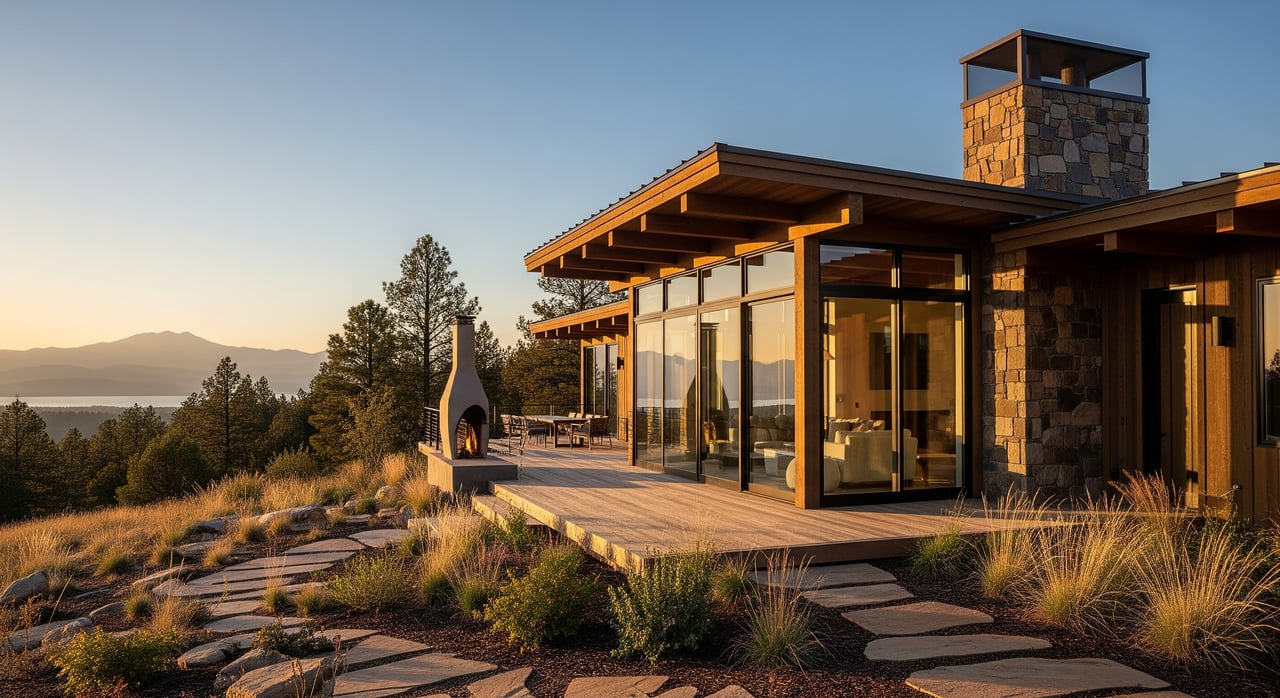
Financing A Second Home In Show Low
January 1, 2026
January 1, 2026
Thinking about a weekend base in the pines where the air is cooler and life slows down? Financing a second home in Show Low can feel different than buying your primary residence, especially with mountain-specific factors like wildfire insurance, seasonal access, and short-term rental rules. This guide shows you how second-home loans work, what lenders expect, and the local details you should verify in 85901 before you write an offer. By the end, you’ll have a clear plan you can put into action. Let’s dive in.
Show Low sits in Arizona’s White Mountains, a four-seasons region known for fishing, hiking, snow play, and cool summer escapes. Many buyers come from Phoenix, Tucson, and out of state, which creates seasonal demand patterns that can affect pricing and rental performance. If you plan to rent part-time, expect occupancy and rates to vary by season and local events.
Winter weather can influence road access and insurance underwriting. Before you shop, confirm year-round access, snow removal responsibilities, and that essential utilities are available and reliable.
Second-home mortgages are designed for properties you will occupy part-time and not run primarily as a rental business. These loans often look similar to primary-residence loans but carry slightly higher rates and tighter cash-reserve requirements.
Investment-property loans apply if the home will be used mainly as a rental with long-term tenants or full-time short-term rentals. These usually require larger down payments and higher rates.
Your loan size determines whether you are within conforming limits or need a jumbo loan. Conforming loans follow Fannie Mae and Freddie Mac guidelines. Jumbo loans sit above county loan limits and usually require stronger credit, larger down payments, and more documentation. Always verify current FHFA county limits for Navajo County before you lock a plan.
For part-time personal use, conventional second-home mortgages are the most common path. You will see slightly higher rates than a primary home and may need to show extra cash reserves. Lenders usually look for solid credit and stable income.
If you plan to operate the property primarily as a rental, an investment-property loan is standard. Some lenders also offer DSCR loans that underwrite based on rental income coverage. Documentation standards vary. If you will rely on projected rent to qualify, expect to provide leases, historical statements, or market projections as requested by the lender.
Unique cabins, log homes, or properties with nontraditional utilities can be tricky. Local banks, credit unions, or portfolio lenders may offer flexible underwriting for wells, septic, or unusual construction. If your price is above county limits, plan for jumbo terms with tighter requirements.
If you have equity in your primary home, you can use a HELOC or home equity loan for your down payment or renovations. Keep in mind combined loan-to-value caps across properties and the possibility of variable rates. In timing crunches, a short-term bridge loan can help you close before selling your current home, then be paid off with sale proceeds.
Lenders need the home to be habitable. Significant deferred maintenance can be a red flag unless you use a rehab product. In 85901, private wells, septic systems, and remote utilities are common and can trigger extra inspections or lender overlays. Confirm reliable year-round access, including snow and road maintenance.
Plan for Arizona property taxes billed by Navajo County. If you offer short stays, transient lodging taxes may apply at the town and county level. Tax rates and rules can change, so verify registration and remittance requirements with local offices before you rely on rental income.
Show Low sits in a forested, higher-elevation environment. Homeowners insurance may cost more and can require mitigation such as defensible space, roofing upgrades, or ember-resistant features. If a property is in a Special Flood Hazard Area, flood insurance may be required with a federally regulated loan. Get quotes early, especially for cabins or homes near heavy vegetation.
If the home is in an HOA, review covenants for rental rules and maintenance standards. For properties with wells or septic, budget for inspections and ongoing upkeep. Seasonal items like snow removal and winterizing add to annual costs and can influence lender and insurer perceptions of risk.
Show Low and Navajo County set zoning, safety, and licensing rules for transient lodging. Registration, permit, and tax obligations can change. Check current ordinances before you count on short-term rental income.
Frequent short-term rentals can cause a lender to reclassify a second home as an investment property, which affects down payment, rates, and reserves. If you hope to qualify using STR income, ask in advance whether the lender will allow it and what documentation is required.
Show Low rental demand is seasonal. Occupancy and nightly rates swing with weather and events. Talk to local property managers about comps and seasonality, and build conservative projections into your financing plan.
If Show Low is calling your name, you are not far from making it real. With the right loan strategy, clear due diligence, and local insight, you can secure a mountain retreat that fits your lifestyle and goals. When you are ready, connect with a trusted, hospitality-first advisor to map your financing and search plan.
Have questions or want a tailored game plan for financing and finding a second home in Show Low? Reach out to Blaire Lometti for a friendly, no-pressure conversation and next steps that fit your timeline.
As your trusted real estate agent, I provide expert support whether you’re buying or selling. My goal is to make your transaction effortless and deliver the results you deserve, with a focus on your unique needs and goals.