Choosing Between Catalina Foothills and Oro Valley Homes
February 5, 2026
February 5, 2026
Torn between Catalina Foothills and Oro Valley for your next Tucson home? You’re not alone. Both offer mountain beauty, strong community amenities, and great access to the outdoors, but the day-to-day feel and housing options are different. In this guide, you’ll get a clear, side-by-side view of how each area stacks up on homes, commutes, lifestyle, and what to check before you write an offer. Let’s dive in.
Catalina Foothills
Oro Valley
Decision tip: If you value view-rich foothill living and architectural variety, lean Catalina Foothills. If you prefer newer construction, community amenities, and town services, explore Oro Valley.
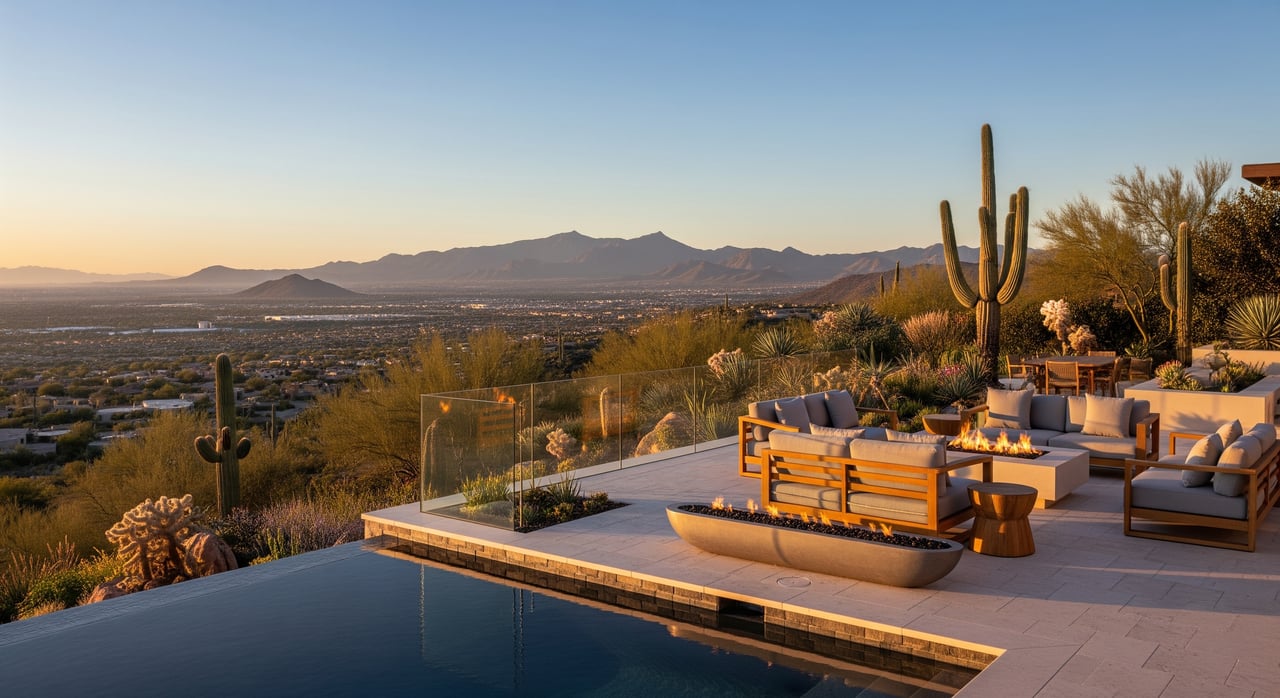
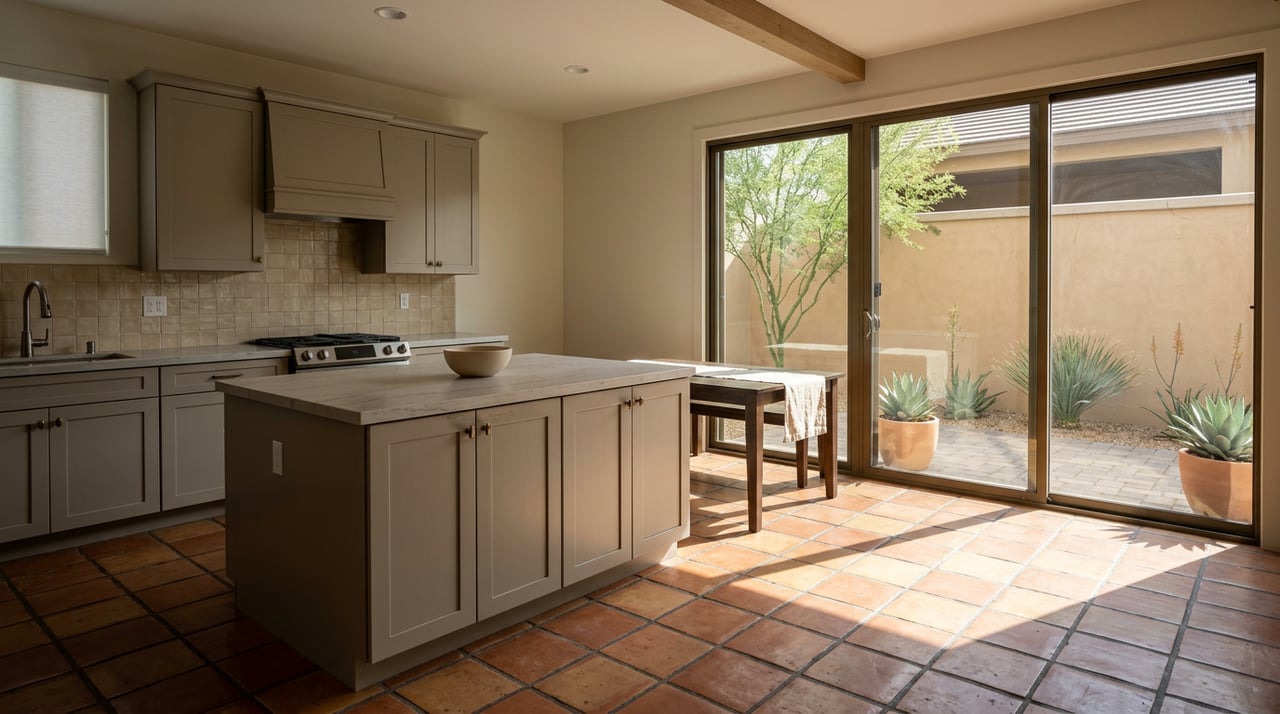
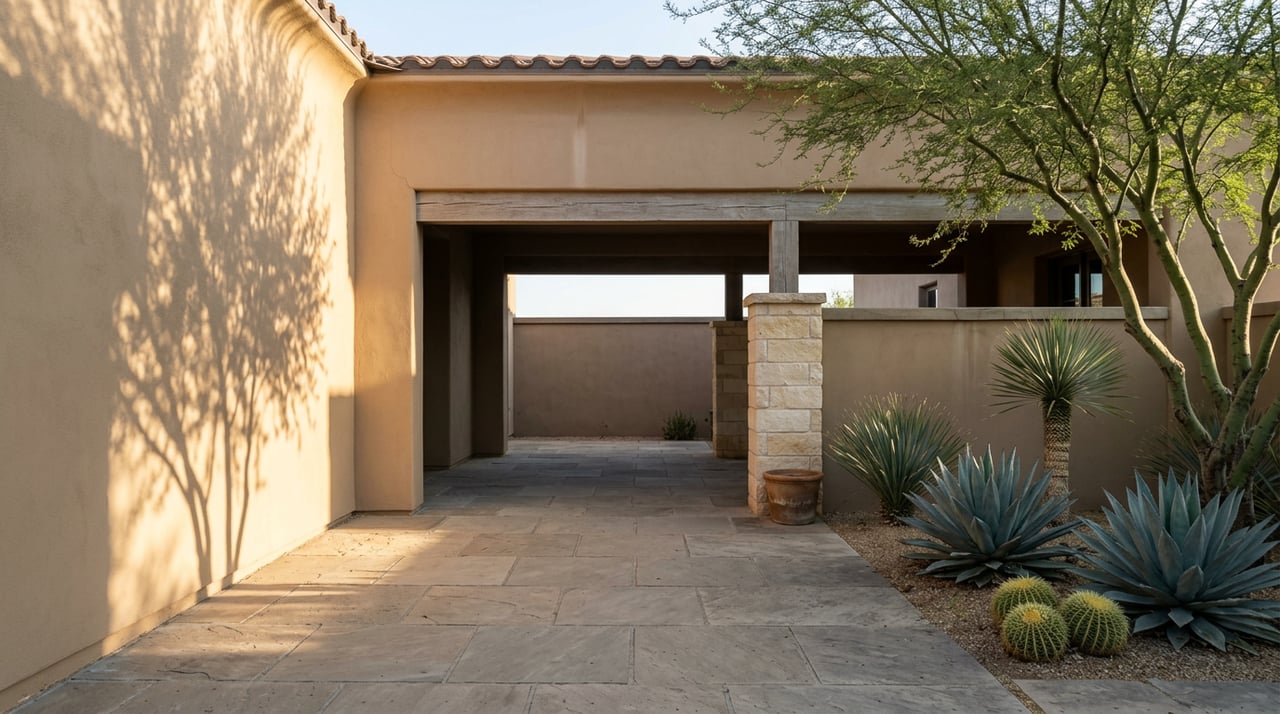
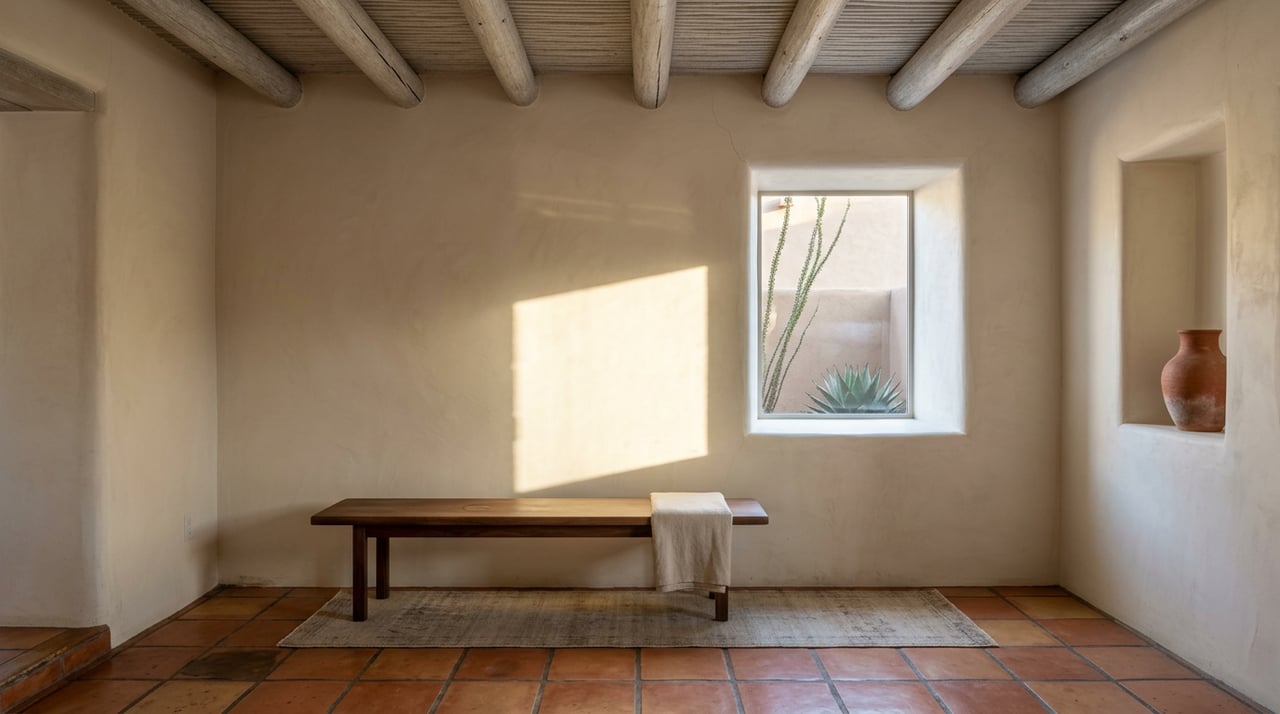
You’ll find hillside estates oriented to mountain views, custom builds, and mid-century and ranch homes that maximize indoor-outdoor living. Many homes prioritize large windows, patios, and privacy. Topography is a major player, which can create striking settings as well as unique lot considerations.
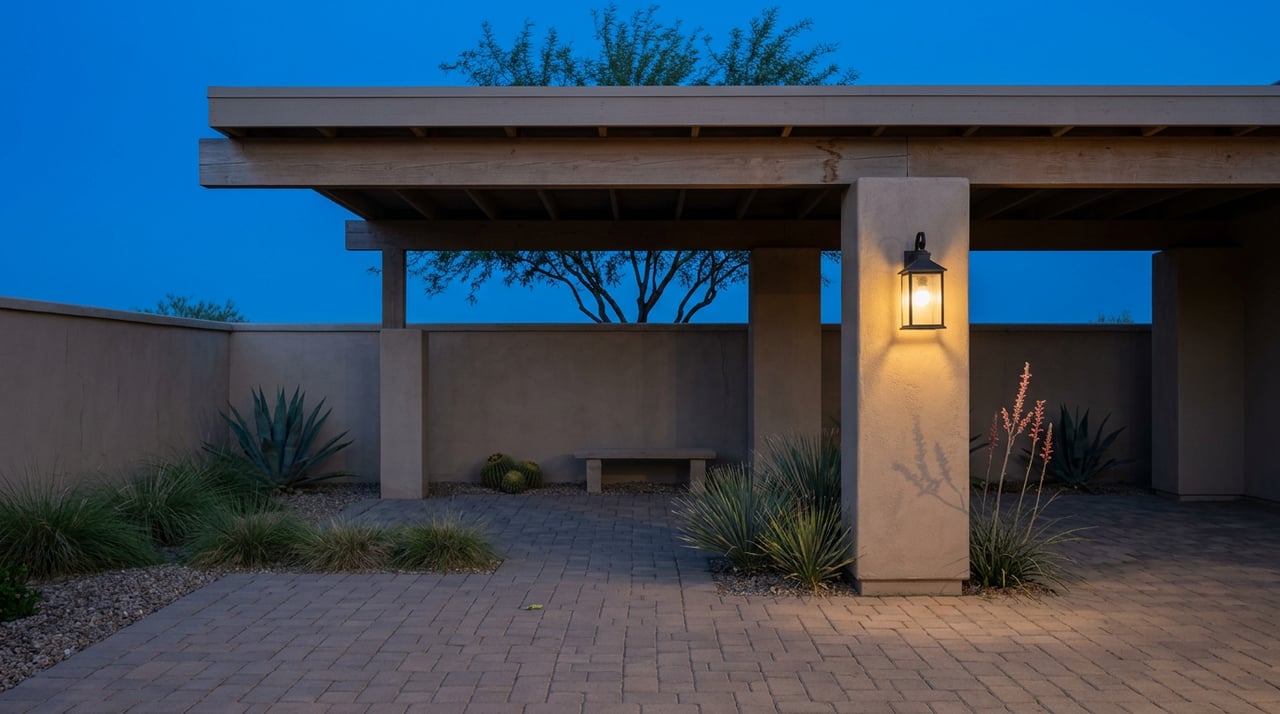
Oro Valley’s neighborhoods often feature 1990s–2020s construction across single-family homes, townhomes, and age-restricted communities. Expect contemporary-Southwest and traditional ranch styles from regional and national builders. HOAs are common, which can support neighborhood consistency and shared amenities.
Instead of relying on broad medians, weigh the variables that move value most:
Pro move: Compare recent comparable sales within the same micro-neighborhood over the last 3 to 6 months and weigh upgrades, view quality, and lot usability.
Road patterns matter. Common bottlenecks can occur along River, Oracle, and Campbell corridors depending on your route and time of day. Public transit exists but is limited in frequency. Most residents drive; some bike in select areas where grade and shoulders allow.
Before you choose a neighborhood, test your daily routes:
Both areas shine for outdoor access. The Foothills place you close to trailheads that lead into the Santa Catalina Mountains, with iconic canyon hikes and mountain biking near many neighborhoods. Oro Valley offers strong access to Pusch Ridge trailheads, desert preserves, and a system of town parks and greenways, plus several golf options and sports complexes.
Both areas rely on public utilities, though specifics vary block by block. Confirm water provider, sewer vs septic, internet options, and any special district assessments. In Oro Valley, HOA dues and community facilities are common. In the Foothills, some hillside lots can carry extra infrastructure considerations due to slope and access.
School options can be a deciding factor for many buyers. The Catalina Foothills School District is known regionally for strong academics. Some Foothills addresses are zoned to surrounding districts for high school, so confirm boundaries by property. Oro Valley is primarily served by Amphitheater Unified School District, with a range of schools including newer campuses. Because district lines and enrollment policies can change, verify school boundaries for the exact address and review the latest publicly available data before making decisions.
Neutral tip: Instead of relying on broad ratings, schedule campus tours, review district resources, and compare programs that match your needs.
Oro Valley provides its own police department and town code enforcement. In Catalina Foothills, public safety is provided by the Pima County Sheriff’s Office and local fire districts. Both areas sit at the desert-foothill interface, so wildfire preparedness is important. Ask about defensible space, roof materials, brush clearance history, and nearby fire resources for each property.
Checklist for wildfire readiness:
If you’re on the fence, tour a few homes in each area within the same weekend. Pay attention to neighborhood feel, road patterns, trail proximity, and how much outdoor space you truly use.
What you’ll see: Custom homes with varied architecture, view-focused floor plans, and lots shaped by natural contours. Expect privacy and unique topography. Due diligence on slope, drainage, and access matters.
What you’ll see: Single-story ranch and mid-century homes with updated interiors and patios that frame the mountains. Values can hinge on view corridors, remodel quality, and lot width.
What you’ll see: Low-maintenance living with desert landscaping, community pools, and quick access to dining corridors. Check HOA coverage, reserves, and any upcoming assessments.
What you’ll see: Consistent streetscapes, community parks, playgrounds, and trail connections. Many homes from the early 2000s onward with popular open-concept layouts. HOA guidelines support neighborhood standards.
What you’ll see: Homes along fairways and view lots oriented toward Pusch Ridge and the Catalinas. Values reflect view premiums, course proximity, and updates.
What you’ll see: Recent construction with energy-efficient features, flexible floor plans, and modern finishes. Compare builder warranties, materials, and lot orientation for sunlight and privacy.
Use this list for each property you’re considering:
Pro tip: Evaluate how each factor affects both your lifestyle and resale potential. A great view or walk-to-trailhead location can boost long-term value, while a difficult slope or limited internet might narrow buyer appeal later.
Choosing between Catalina Foothills and Oro Valley is personal. You need a local plan that balances lifestyle, design, and smart investment. Urban Oak Partners combines neighborhood-level market insight with staging, remodel advisory, and negotiation expertise to help you buy with confidence. We also donate 10% of every transaction to a charity you choose, so your move gives back to the community.
Ready to tour both areas, analyze comps, and run a side-by-side strategy for your next home? Connect with Blaire Lometti to start your search today.

As your trusted real estate agent, I provide expert support whether you’re buying or selling. My goal is to make your transaction effortless and deliver the results you deserve, with a focus on your unique needs and goals.