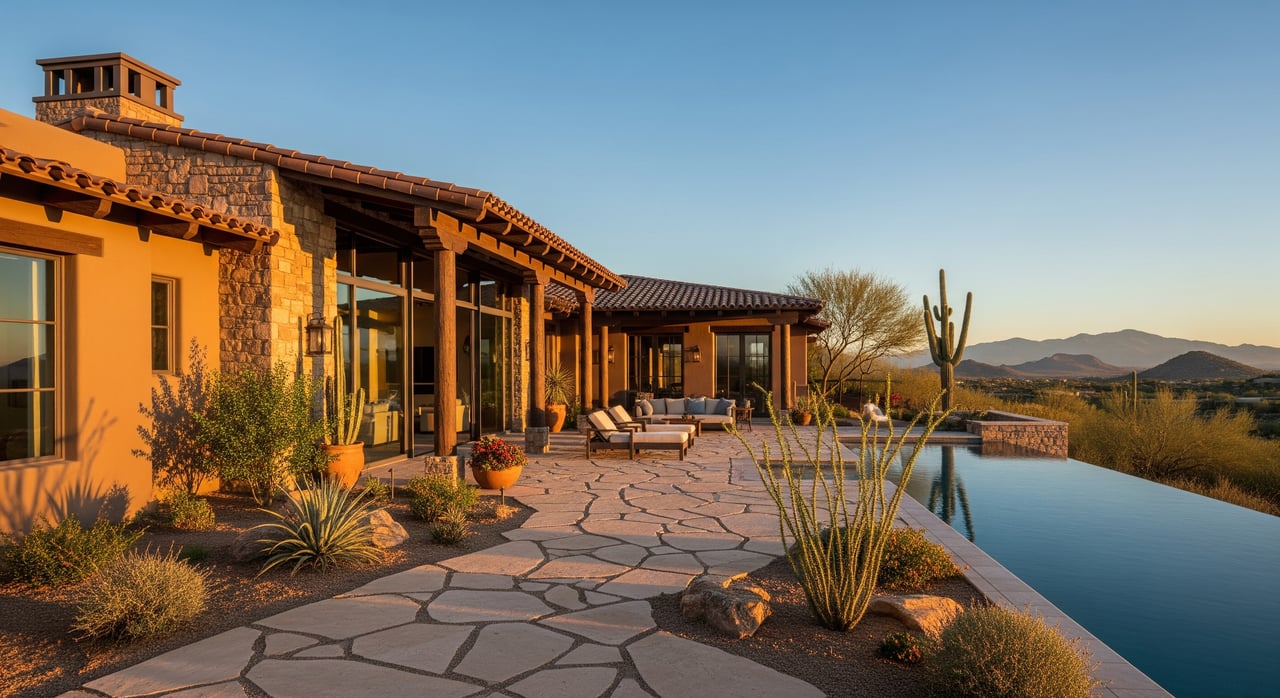
Home Appraisals In Vail: How They Work
December 11, 2025
December 11, 2025
Buying or selling in Vail and wondering how the appraisal could make or break your deal? You are not alone. Appraisals can feel mysterious, especially with Vail’s mix of acreage, equestrian setups, private wells, and desert views. In this guide, you will learn what an appraisal is, how it works in a Vail transaction, which local factors tend to move value, and what to do if the number comes in lower than expected. Let’s dive in.
An appraisal is an independent, professional opinion of a home’s market value as of a specific date. Lenders use appraisals to help manage risk. Buyers and sellers use them to confirm price and negotiate with confidence.
Appraisals are not inspections. Inspections evaluate a home’s condition and systems. Appraisals estimate value based on the home, the land, and market data. They also differ from county assessed values used for property taxes, and from a comparative market analysis prepared by your agent.
Appraisers must follow professional standards and lender or loan program rules. Those standards include the Uniform Standards of Professional Appraisal Practice (USPAP). For specific loan types, lenders rely on program guidelines such as the HUD FHA Single Family Housing Policy Handbook and the VA Lender’s Handbook.
For most financed purchases, the buyer’s lender orders the appraisal and controls the engagement. The fee is usually paid by the buyer as part of loan costs. Anyone can order a private appraisal for other purposes, such as a pre-listing estimate, estate planning, or a refinance.
The lender or client sets the purpose, report type, and scope of work. The appraiser receives instructions, property info, and any loan program requirements.
The appraiser verifies the home’s basics: location, lot size, square footage, bedroom and bathroom counts, construction quality, systems, functional utility, and overall condition. In Vail, they also look closely at features like private wells and septic systems, outbuildings, horse facilities, solar, and any unpermitted additions. Safety issues or visible deferred maintenance will be noted and may influence the loan process.
The appraiser selects recent, nearby sales of similar homes. For Vail’s unique or rural properties, close matches can be scarce, so the appraiser may use older or more distant sales that still reflect the same market segment. The sales comparison approach is typically the primary method for single-family homes.
No two homes are identical. The appraiser adjusts comparable sales for differences in size, lot characteristics, condition, age, views, utilities, and amenities. In Vail, adjustments often reflect usable acreage, equestrian improvements, private road access, wells and septic, and mountain or desert views. The appraiser then reconciles all evidence to reach a final opinion of value.
Standard homes can be appraised in a few days to two weeks. Rural, custom, or acreage properties often take longer due to research and travel. Fees and timelines vary with complexity and lender requirements.
Many Vail properties sit on larger desert lots. Usable acreage is more important than raw acreage. Steep washes, flood easements, or conservation areas may carry little value compared with flat, buildable space.
Horse barns, arenas, stalls, fenced paddocks, and large workshops are specialized. When possible, appraisers look for comparable equestrian properties. Without close comps, adjustments become more nuanced and documentation is key.
Permits, condition, and capacity matter. A well or septic with permitting or performance concerns can reduce value or trigger lender repairs or additional requirements. Keep records handy so the appraiser can verify.
Homes on unpaved or private roads, or with long or challenging driveways, can face a smaller buyer pool. Availability of natural gas or propane, reliable electricity and broadband, and public sewer versus septic can affect marketability and value.
Unpermitted work often limits value and can complicate lending. Proof of permits or a plan to address issues can help protect your appraisal outcome.
Mountain views of the Santa Ritas and desert outlooks can boost value. Proximity to busy roads or utility structures can have the opposite effect. Orientation, outdoor living, and privacy also matter to buyers.
Desert washes and flash flooding are part of the local landscape. Lenders may require flood insurance if the property is in a mapped flood zone. You can review local mapping through the Pima County Regional Flood Control District and the FEMA Flood Map Service Center.
Insurance availability and maintenance needs can factor into value in areas with higher wildfire risk. Creating defensible space and documenting maintenance can support marketability.
Association rules or conservation and use restrictions can expand or limit the buyer pool, which may affect value depending on market preferences.
A little prep goes a long way. Make it easy for the appraiser to verify what makes your home valuable.
A low appraisal does not have to kill your deal. You have options.
Getting your appraisal right in Vail means understanding how local features translate to market value and presenting clear documentation. Whether you are selling a custom home on acreage or buying a suburban property along the I-10 corridor, the steps are the same: prepare, communicate, and use local data.
Ready to talk strategy for your Vail appraisal and sale? Reach out to Blaire Lometti for local guidance that blends design-forward presentation with market-smart valuation.
As your trusted real estate agent, I provide expert support whether you’re buying or selling. My goal is to make your transaction effortless and deliver the results you deserve, with a focus on your unique needs and goals.