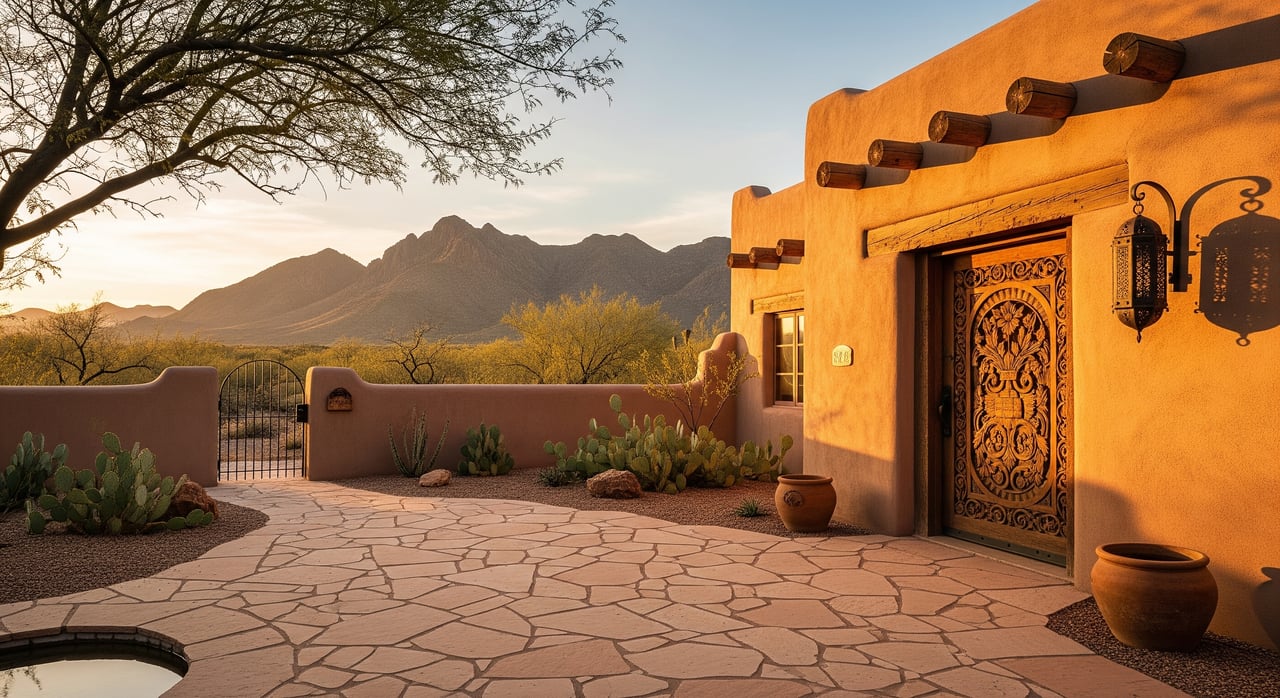
Title Insurance In Tubac: Why It Matters
December 4, 2025
December 4, 2025
Buying or selling in Tubac should feel exciting, not stressful. Still, a surprise lien, an old easement, or a boundary mix-up can derail your closing and cost you money. You work hard for your equity, so it makes sense to protect it. In this guide, you’ll learn what title insurance covers, where Tubac buyers and sellers see the most issues, how the process works, and the simple steps you can take to close with confidence. Let’s dive in.
Title insurance is a one-time premium that protects against losses from past problems with a property’s title that were unknown at closing. Common covered risks include forged signatures, recording mistakes, undisclosed heirs, and prior liens that were not cleared. A lender’s policy protects the lender’s mortgage interest and is usually required by your lender. An owner’s policy is optional but strongly recommended because it protects your equity for as long as you or your heirs own the home.
Title policies list exclusions and exceptions. Standard exclusions often include zoning or land-use rules, environmental issues, and anything that happens after the policy date. Exceptions are property-specific items shown in the title commitment, such as certain easements or boundary matters, unless you add endorsements that insure them.
Tubac’s history and setting make it special. They also create unique title questions that are worth your attention.
Tubac includes older homes and historic subdivisions. You may see old or unclear lot lines, historic covenants, or incomplete chains of title from very old documents. Ask your title company to explain any historic restrictions or gaps listed as exceptions in the commitment.
Rural and semi-rural parcels around Tubac often rely on private roads or access easements rather than public roads. Lack of a recorded access easement or unclear road maintenance duties is a common issue. An access endorsement can help when access depends on private rights-of-way.
Older metes-and-bounds descriptions and long-standing fences can conflict with legal boundaries. An ALTA/NSPS survey is wise for rural or older properties and whenever you see boundary, fence, or encroachment questions. A survey endorsement can improve protection against certain encroachments revealed by a proper survey.
Unpaid property taxes, special assessments, or contractor liens can cloud title. Check current tax status with the Santa Cruz County Treasurer and confirm parcel details with the Assessor. Make sure any liens or judgments against prior owners are cleared before you close.
Some properties rely on private or shared wells. Water rights and well registrations are handled separately from title and are not automatically insured. Consult the Arizona Department of Water Resources for well registration details and consider endorsements that fit the property’s situation.
Parcels near state or federal land can involve rights-of-way or boundary concerns. Review recorded easements and ask your title company about any federal or state claims identified in the search.
Your title company examines recorded deeds, mortgages, easements, and other records. It then issues a title commitment. This document shows what the insurer will cover, the requirements to close, and the exceptions that will not be covered. Read it carefully and ask questions about any unfamiliar items.
Before closing, you and the seller work through the requirements. This may include paying off liens, recording releases, or obtaining corrected documents. If an exception cannot be removed, you can sometimes add an endorsement that offers targeted protection.
Once requirements are met and you sign, the transaction closes. The title company records the deed and any loan documents, then issues the final policy. An owner’s policy lasts as long as you own the property.
Endorsements fine-tune coverage based on the property and your concerns. In and around Tubac, these endorsements are commonly useful:
Ask your title company to explain what each endorsement covers and what documentation they require.
Title insurance is a one-time premium based on the insured amount. The lender’s policy is usually required. Who pays for the owner’s policy is negotiable and can vary by local custom. In Santa Cruz County, confirm current practice with your agent and your title company, and ask for written fee estimates so you can compare.
In Tubac, the best closings come from careful preparation. Review the title commitment, get the right survey, add endorsements that address local risks, and choose an owner’s policy that protects your equity for the long term. With the right steps, you can enjoy Tubac living with confidence.
If you want a local, hospitality-first guide through the details, reach out to Blaire Lometti for a clear plan from contract to keys.

As your trusted real estate agent, I provide expert support whether you’re buying or selling. My goal is to make your transaction effortless and deliver the results you deserve, with a focus on your unique needs and goals.