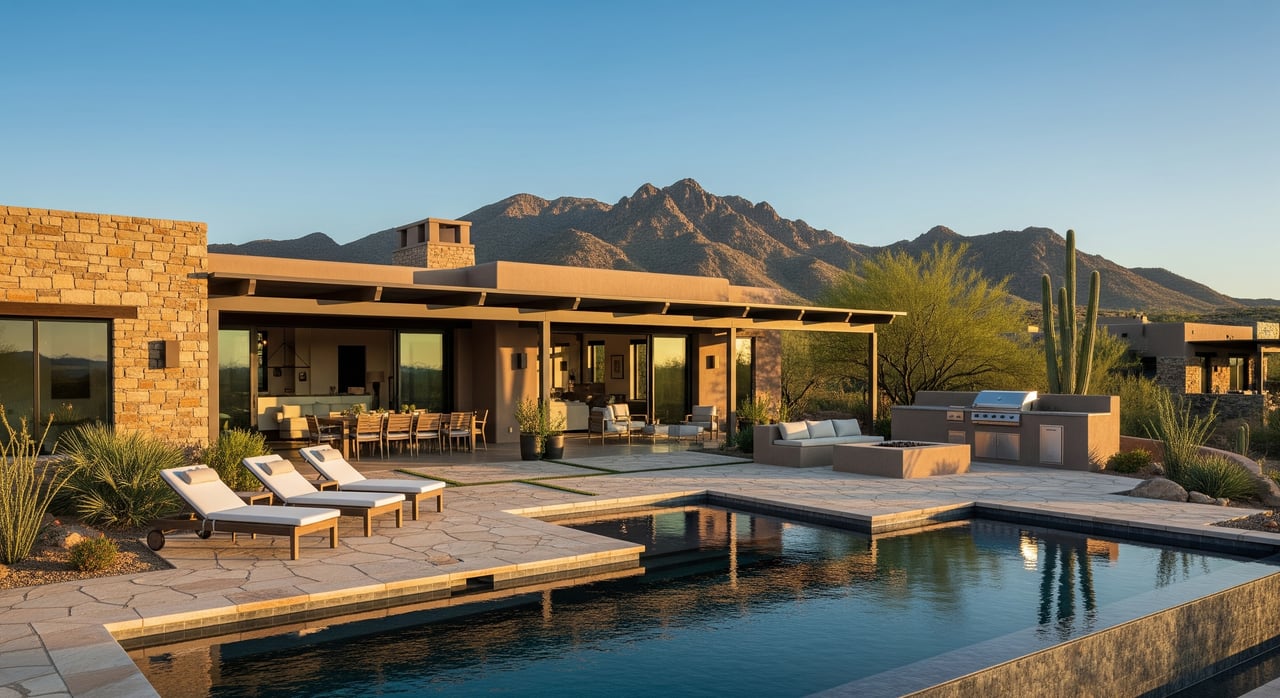
HOA vs Non‑HOA Sahuarita Homes and Lifestyles
November 27, 2025
November 27, 2025
Thinking about buying or selling in Sahuarita and wondering whether an HOA or a non‑HOA home is the better fit? You’re not alone. The choice shapes your daily routine, your costs, and how much freedom you have with your property. In this local guide, you’ll learn the real-world trade-offs, what to ask for during escrow, and how Arizona rules shape your options so you can move forward with confidence. Let’s dive in.
Sahuarita offers both lifestyles. In master‑planned communities and newer subdivisions, HOAs are common and often include shared amenities, consistent landscaping, and neighborhood standards. A well-known example is Rancho Sahuarita, a large master‑planned community with active HOA governance and community programming.
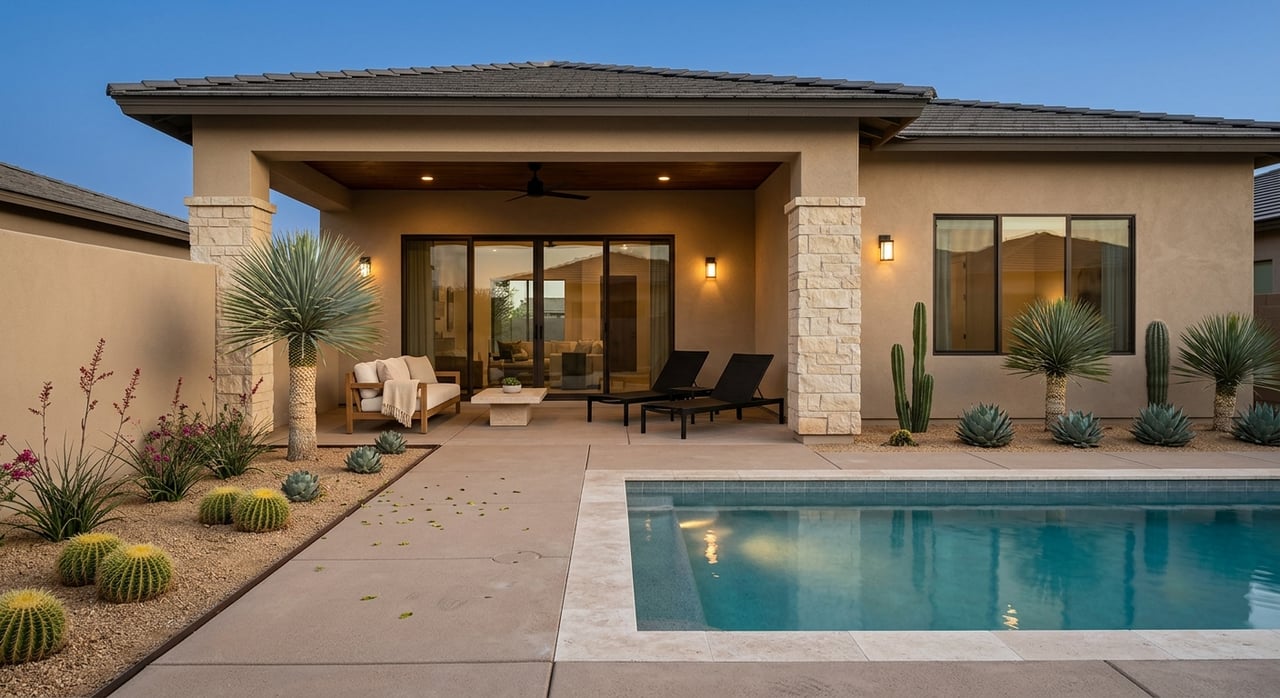
Outside those areas, you’ll find rural parcels, larger lots, and some older neighborhoods that are often non‑HOA. These homes may offer more autonomy and space, and they can include features like private wells and septic systems. Your best fit comes down to how you want to live day to day.
An HOA sets and enforces the community’s Covenants, Conditions and Restrictions (CC&Rs). A volunteer board, often supported by a professional management company, oversees operations, architectural review, and community rules. Common topics include exterior paint and materials, landscaping standards, parking, pets, and rental policies.
You pay dues monthly, quarterly, or annually to fund operations, insurance for common areas, and long‑term reserves. Ask for the most recent reserve study to see if funding aligns with future repairs such as roads, pools, or roofs. If reserves are short, the board can levy a special assessment, which is a one‑time charge for major work.
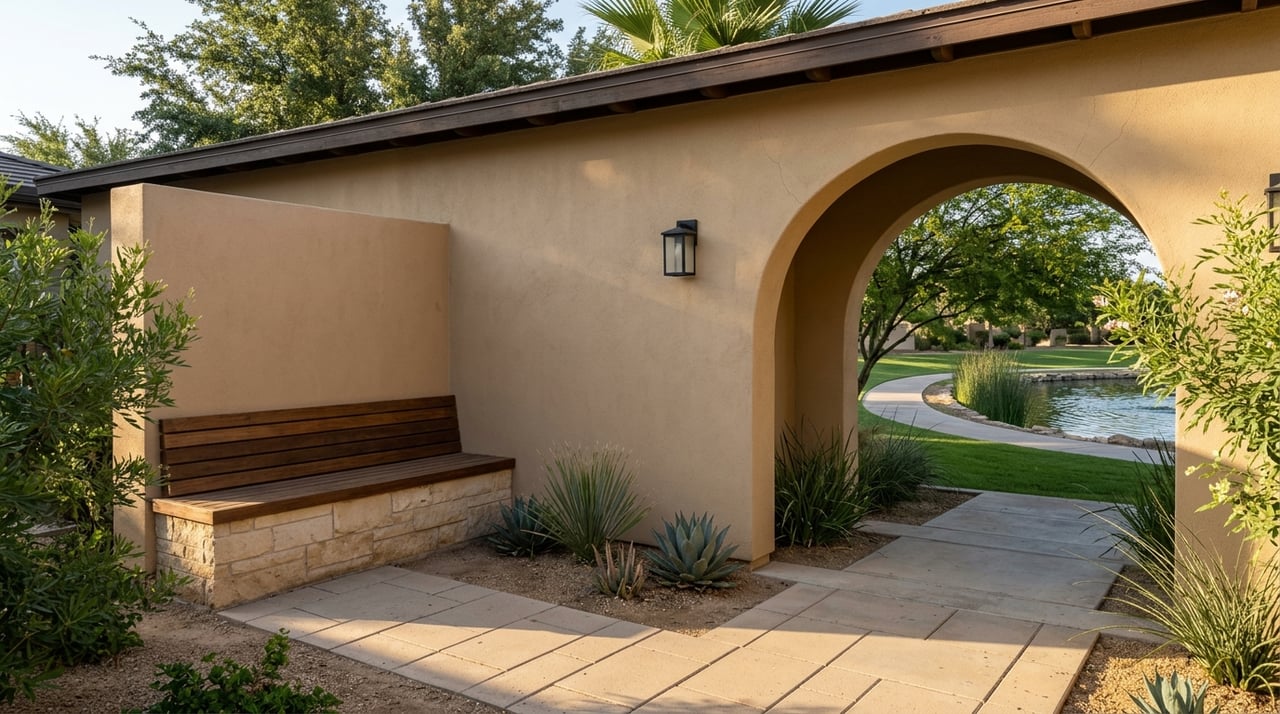
HOAs typically maintain shared landscaping, parks, trails, and any private roads. Many planned communities include pools and community centers. The trade-off is that you pay for these features through dues, but you also benefit from consistent curb appeal and community upkeep.
Associations can issue fines, suspend amenity access, and place liens for unpaid assessments as allowed by Arizona law and the governing documents. Before you buy, review the rules and recent meeting minutes to understand how the HOA enforces standards and manages issues.
Non‑HOA living gives you more freedom to personalize your property, park an RV, or explore rental options, subject to local zoning. There are usually fewer ongoing fees since there is no association.
The flip side is you handle everything yourself: exterior maintenance, landscaping, fencing, and any private utilities. If you are on a well or septic, factor in inspections, service, and possible upgrades over time.
Without an HOA, neighbors may maintain their homes differently. Some buyers see this as part of the area’s charm. Others prefer the predictability that comes with formal standards.
In Arizona, sellers complete standard property disclosures. If the home is in an HOA, expect CC&Rs, bylaws, budgets, rules, recent meeting minutes, reserve information, and details on current dues and any special assessments during escrow. Title or the buyer’s agent typically obtains an estoppel or payoff statement that confirms what is owed to the HOA.
Most mortgages work for single‑family homes in HOAs. Lenders may review the association’s financial health, especially for attached communities. HOA master insurance often covers common areas, while you carry your own policy for the home itself. Confirm exactly what the HOA insures so you can set the right coverage.
In master‑planned communities, utilities are commonly provided by public or private providers. Rural and larger‑lot properties may have private wells and septic systems. If you’re buying non‑HOA, request well logs, septic inspection reports, and any maintenance records during due diligence.
HOA communities can limit or prohibit short‑term rentals based on their governing documents. If you plan to rent the home, confirm the rules early in your search. Non‑HOA properties still must follow local zoning and any applicable ordinances.
A well‑run HOA with desirable amenities can enhance curb appeal and attract buyers who value convenience and community programming. High dues, strict rules, or underfunded reserves can narrow the buyer pool. Non‑HOA properties appeal to buyers who value privacy, space, and independence, but they may require more hands‑on upkeep. Your pricing and marketing should reflect these trade‑offs and what local buyers are seeking right now.
Ready to compare specific homes and neighborhoods side by side? Let’s map your lifestyle and budget to the right Sahuarita fit.
If you want tailored guidance on HOA vs non‑HOA living, pricing, and resale strategy in Sahuarita, reach out to Blaire Lometti for a warm, data‑driven consultation. From staging and design advice to negotiation and escrow support, you’ll get a boutique, hospitality‑first experience that helps you move with confidence.
As your trusted real estate agent, I provide expert support whether you’re buying or selling. My goal is to make your transaction effortless and deliver the results you deserve, with a focus on your unique needs and goals.