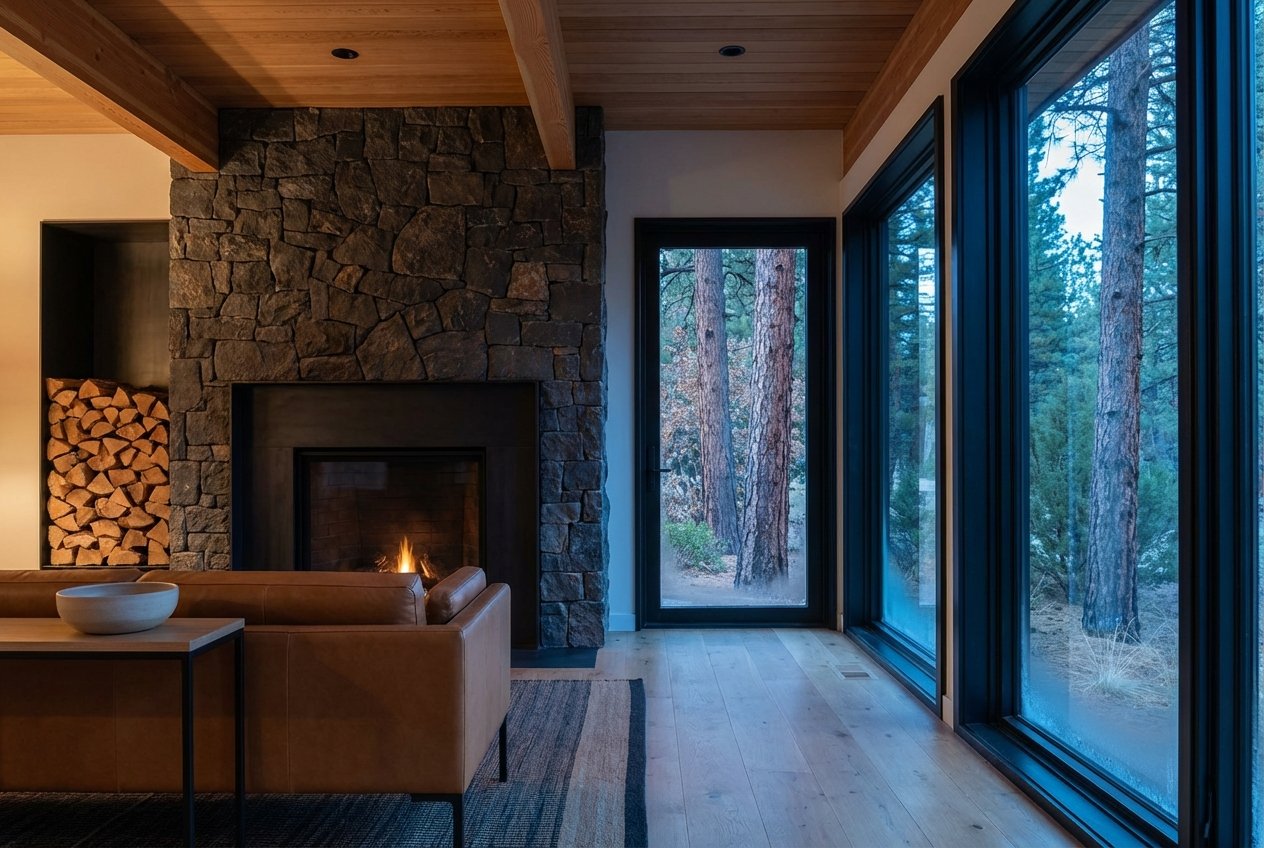
Should You Rent Out Your Pinetop Cabin?
February 26, 2026
February 26, 2026
Thinking about turning your Pinetop cabin into a rental to help cover costs or create income? You are not alone. Many second‑home owners in the White Mountains weigh short‑term rentals against long‑term leases and wonder which path fits their goals and lifestyle. In this guide, you will get local rules, real numbers, and a simple checklist to help you decide with confidence. Let’s dive in.
Before you advertise or host a single guest, you need a Town of Pinetop‑Lakeside short‑term rental permit. The town lists an annual $250 fee and an online application. The permit will not be activated until you provide the required documents. You must display the permit number in all ads and post it near the primary entrance of the property. You also must notify neighbors and list a 24‑hour emergency contact who can respond within the town’s required timeframe. Review the full requirements on the town’s short‑term rental permit page and in Chapter 5.28 of the town code.
In Arizona, stays under 30 days are treated as transient lodging. You must register for a state Transaction Privilege Tax (TPT) license and report lodging activity under the correct business code. Online lodging marketplaces may collect and remit taxes on bookings made through their platforms. Even so, you are responsible for registration and correct filing. See the Arizona Department of Revenue’s guidance on short‑term lodging and TPT and how online lodging marketplaces affect your reporting. The town lists a combined lodging tax of 12.38 percent for Pinetop‑Lakeside.
The town requires proof of liability insurance, often shown as at least $500,000 in aggregate coverage or platform coverage that meets the threshold. You must provide a locally available emergency contact and complete neighbor notifications before your first rental. The town code provides civil penalties for violations. Build these compliance items into your timeline and budget.
Some HOAs restrict or ban short‑term rentals. Private roads, well or septic capacity, parking limits, and local fire or noise ordinances can also shape how you operate. Confirm these details early so you are not surprised later.
Pinetop‑Lakeside sits in Arizona’s White Mountains, a four‑season playground. Visitors come for hiking, fishing, summer cool‑downs, fall colors, and winter snow sports at Sunrise Park Resort. Demand typically peaks in summer, holiday weeks, and select winter weekends. Shoulder seasons can be variable.
Recent market summaries for Pinetop‑Lakeside commonly show a typical Average Daily Rate in the range of about 200 to 300 dollars, with average occupancy often in the low‑to‑mid 40 percent range. Individual results vary by property quality, size, and location. Expect strong seasonality with higher demand in summer and holiday periods. To gauge your address, review a vendor’s market summary for Pinetop‑Lakeside and pull comps for similar cabins.
Recent rental market reports for ZIP 85929 show average monthly rents near 2,000 dollars as of early 2026. Long‑term leases tend to be steadier with less operational effort, though upside is limited by monthly rent ceilings.
These examples use market‑level assumptions to show how the math works. Always build an address‑level pro forma using your cabin’s likely rates and seasonality.
Note: Treat lodging taxes as pass‑through. You collect them from guests and remit them. Do not count lodging tax as income.
Many owners start by self‑managing. Others hire a full‑service vacation rental manager. Here is how to think through the tradeoffs.
You handle pricing, marketing, guest communication, cleaning coordination, minor maintenance, and compliance tasks. Plan for:
Full‑service managers in resort markets often charge roughly 18 to 35 percent of gross revenue. In return, a manager may handle pricing, marketing, guest messaging, cleaning oversight, basic maintenance scheduling, and reporting. Your net will be lower than self‑managing, but your time commitment and stress drop. Get multiple quotes and compare what each manager includes.
Create a line‑item budget so there are no surprises. Key buckets include:
Confirm the property is inside Pinetop‑Lakeside town limits and requires a local STR permit. Start your permit file and gather required documents.
Apply for an Arizona TPT license. Know which platform will collect lodging taxes and how you will report when they do.
Check HOA CC&Rs, road maintenance agreements, parking rules, and utility capacity. Resolve issues before you list.
Line up your local emergency contact and complete neighbor notifications. Prepare the emergency instructions you will post in the home.
Get the right insurance endorsement and keep proof on hand for the permit application.
Build a monthly pro forma by season. Use address‑level comps for ADR and occupancy. Run three scenarios: Low, Base, and High.
Price out cleaning, utilities, supplies, and a 5 to 10 percent maintenance reserve. Decide whether to self‑manage or hire a manager and plug in the fee.
Plan for winterization, snow removal, and wildfire mitigation work. Put these on a calendar.
Set up your listing with the required permit number displayed, and post the permit number near the primary entrance.
Short‑term renting in Pinetop can out‑earn a typical long‑term lease, but the income is seasonal and the work is real. Long‑term renting offers steadier cash flow with less effort and less volatility. Your best choice depends on your time, your risk tolerance, and your cabin’s specific appeal in each season. If you want clarity, build a conservative pro forma, verify your tax and insurance plan, and get quotes from a manager and local vendors.
Want a second opinion tailored to your address and goals? Reach out to Blaire Lometti for a quick strategy session on rental options, pricing, and resale value. If you are also exploring a sale or refi, ask for a market snapshot and Get Your Free Home Valuation.





As your trusted real estate agent, I provide expert support whether you’re buying or selling. My goal is to make your transaction effortless and deliver the results you deserve, with a focus on your unique needs and goals.